- Macro Notes
- Posts
- Consumer Confidence Ran Out Of Gas Before The Economy Did
Consumer Confidence Ran Out Of Gas Before The Economy Did
Sentiment fell in March as fuel costs jumped and wealthier households felt the market wobble.

Noah Zelvis
April 01, 2026
March was a reminder that consumers do not need a recession to feel bad. Sometimes a spike at the gas pump and a rough month in stocks will do the job just fine.
That is where we are now: not panic, but a clear drop in confidence that tends to reshape how people spend.

Global Race (Sponsored)

It's critical for jet engines, steel, electric batteries, and AI chips.
Yet Russia, China, and Indonesia control 80% of its production.
Only ONE company in America can change that.
Here's why an ex-CIA economist believes the White House will invest in it in the days ahead... sending shares soaring.
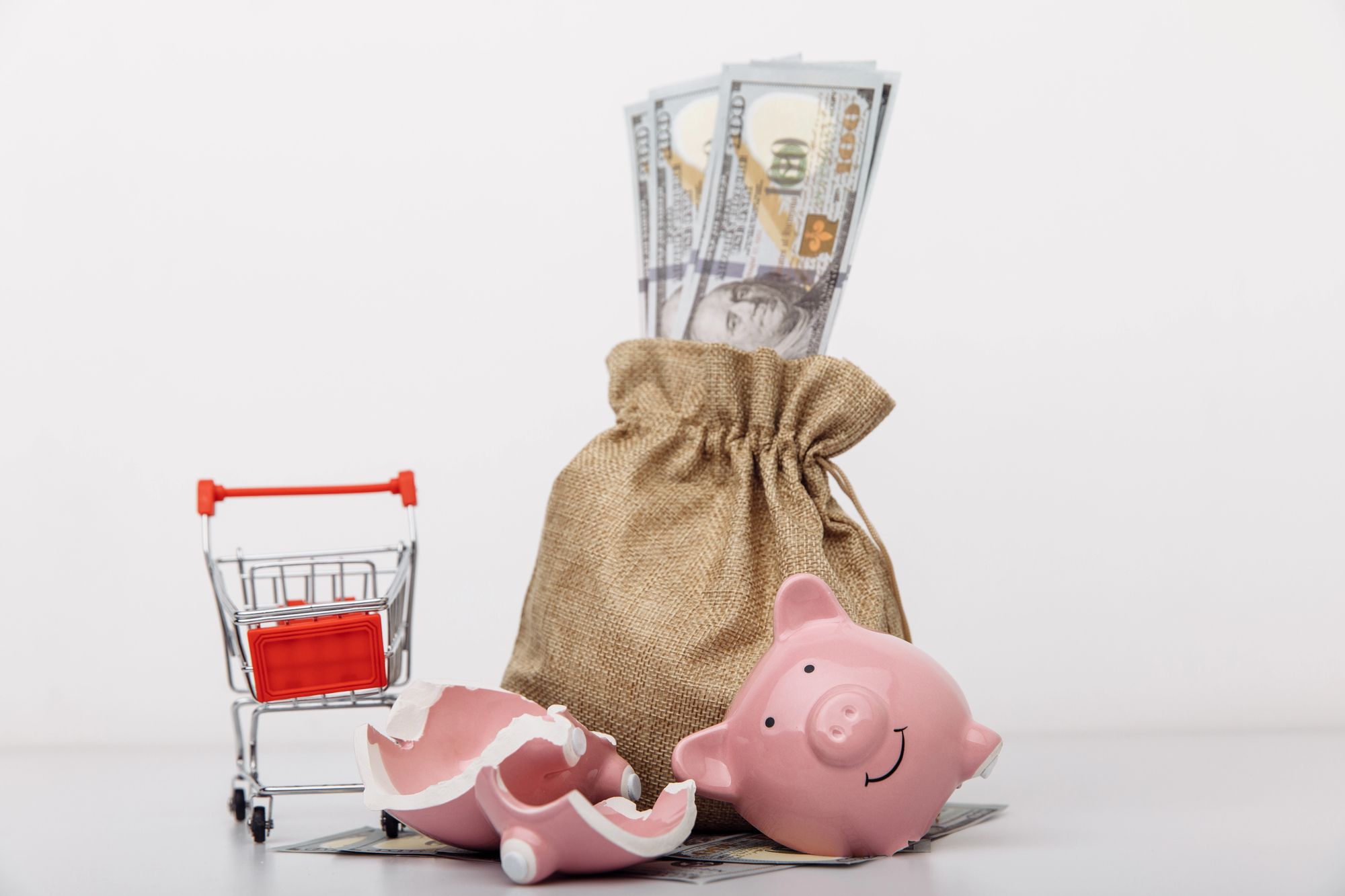
The University of Michigan consumer sentiment index fell to 53.3 in March from 56.6 in February, which was worse than expected and a pretty clear sign that the mood is getting darker again.
The biggest culprit looks simple: gasoline. Prices at the pump are up about 33% from a month ago, and that is the kind of move consumers notice immediately.
People may not track PCE or core services inflation, but they absolutely notice when filling up the tank suddenly feels like a small act of financial betrayal.
There is also a wealth effect in reverse happening here.
Higher-income households saw sentiment weaken more because stocks were down around 6% for the month, which matters when portfolios start driving confidence as much as paychecks do.
When both the gas pump and the brokerage app are annoying at the same time, even wealthier consumers start acting less cheerful.
The interesting wrinkle is that the damage was heavier in short-term expectations than in long-term views. That tells you consumers are not fully giving up on the future yet.
They are just not thrilled about the next few months. That matters for investors because it usually leads to a specific kind of spending behavior:
fewer impulsive splurges
more value hunting
more small comforts
and more sensitivity to everyday prices
The inflation-expectations angle matters too. Consumers now expect higher inflation over the next year, even if long-run expectations are still relatively calm.
The Fed watches that closely because once people start assuming higher prices are normal, they change behavior.
They buy sooner, ask for more pay, and become harder to “re-calm” later.
So the takeaway is not that the consumer is broken. It is that the consumer is getting grumpier again, and grumpy consumers do not stop spending altogether.
They just get much more selective about where the money goes.
Actionable Stuff
Lean into the grumpy-consumer winners. Value, essentials, and small indulgences tend to hold up best.
Avoid the “treat yourself like crazy” names. Big-ticket discretionary gets shakier when confidence slips.
Favor companies with everyday relevance. If people need it weekly, demand is sturdier.
Watch gas and market levels together. If both stay painful, sentiment can get worse fast.
Build gradually. Consumer mood can swing quickly on oil headlines, so scale in instead of lunging.
Poll: Which would change your behavior the most immediately? |
First Signs (Sponsored)
The start of a market move rarely looks obvious.
Most early trends form quietly — through subtle shifts in price behavior and investor participation — long before the broader market notices.
Right now, several small-cap stocks are showing these early-stage patterns.
Our latest guide breaks down three distinct profiles and the signals behind them.
Access the guide
(By clicking the link above, you agree to receive emails from FierceInvestor. You can opt out at any time. - Privacy Policy)
Top Picks
BJ’s Wholesale Club (NYSE: BJ) |
Casey’s General Stores (NASDAQ: CASY) |
Dollar General (NYSE: DG) |
Dutch Bros (NYSE: BROS) |
Oil Watch (Sponsored)
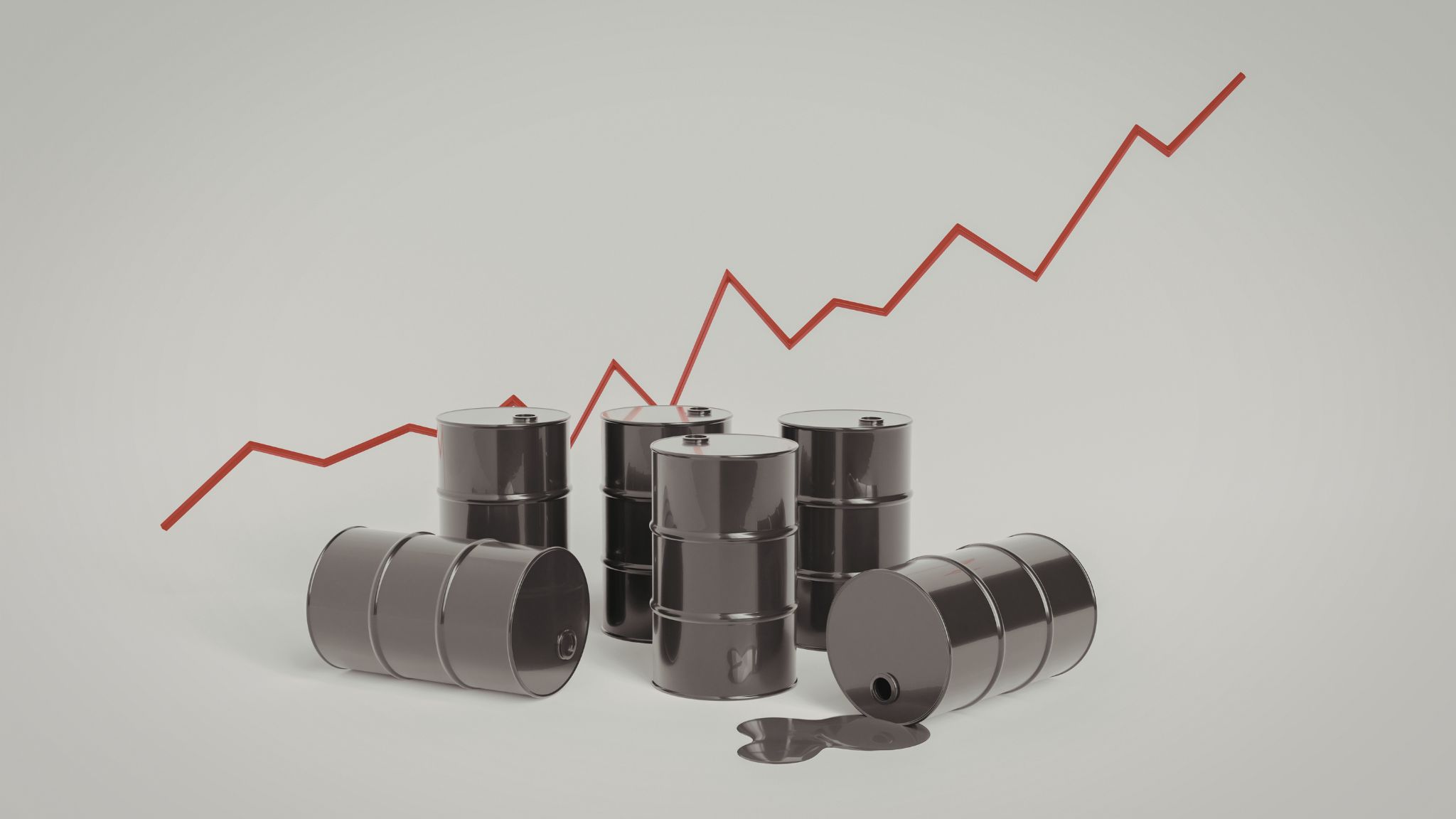
Rising geopolitical tensions have pushed oil sharply higher — and renewed focus on energy equities.
For investors, the key question is which companies could thrive if prices remain elevated.
Zacks’ latest report reviews three oil stocks worth attention in this environment.
[Access the report]
Bottom Line
March sentiment fell because the two things consumers hate most showed up at the same time: pricier gas and shakier portfolios.
That is not a recipe for strong confidence, but it is a very clear recipe for how people tend to behave.
They get choosier, more value-focused, and more likely to protect essentials and small comforts while cutting back elsewhere.
That gives you a clean investing angle: own the businesses that benefit when the consumer starts sulking but does not stop spending.
That’s it for today’s edition—thanks for reading! Reply to this email with any feedback or let me know which macro trends or markets you’d like me to cover next.
Best Regards,
—Noah Zelvis
Macro Notes