- Macro Notes
- Posts
- CPI, PCE, and the Inflation Plot Twist
CPI, PCE, and the Inflation Plot Twist
CPI looks cooler, PCE looks sticky, and oil is trying to drag both in the wrong direction.

Noah Zelvis
March 12, 2026
Inflation is now telling two different stories, which is rude. CPI looks almost polite, PCE still looks clingy, and higher oil is threatening to shove both back into the spotlight.
That leaves the Fed doing what it does best when life gets weird: staring at the data and pretending not to sweat.

Rare Opportunity (Sponsored)

For decades, Wall Street insiders have secured the biggest IPO gains before the public ever gets a shot.
Now, one economist says everyday investors may have a rare window to position ahead of a potential $1.5 trillion SpaceX offering.
See how this strategy works by clicking here - and what you should know before the next major IPO announcement.
The Big Picture
Healthcare
The U.S. Economy Has a Hidden Drag, and It Lives in the Medical Bill
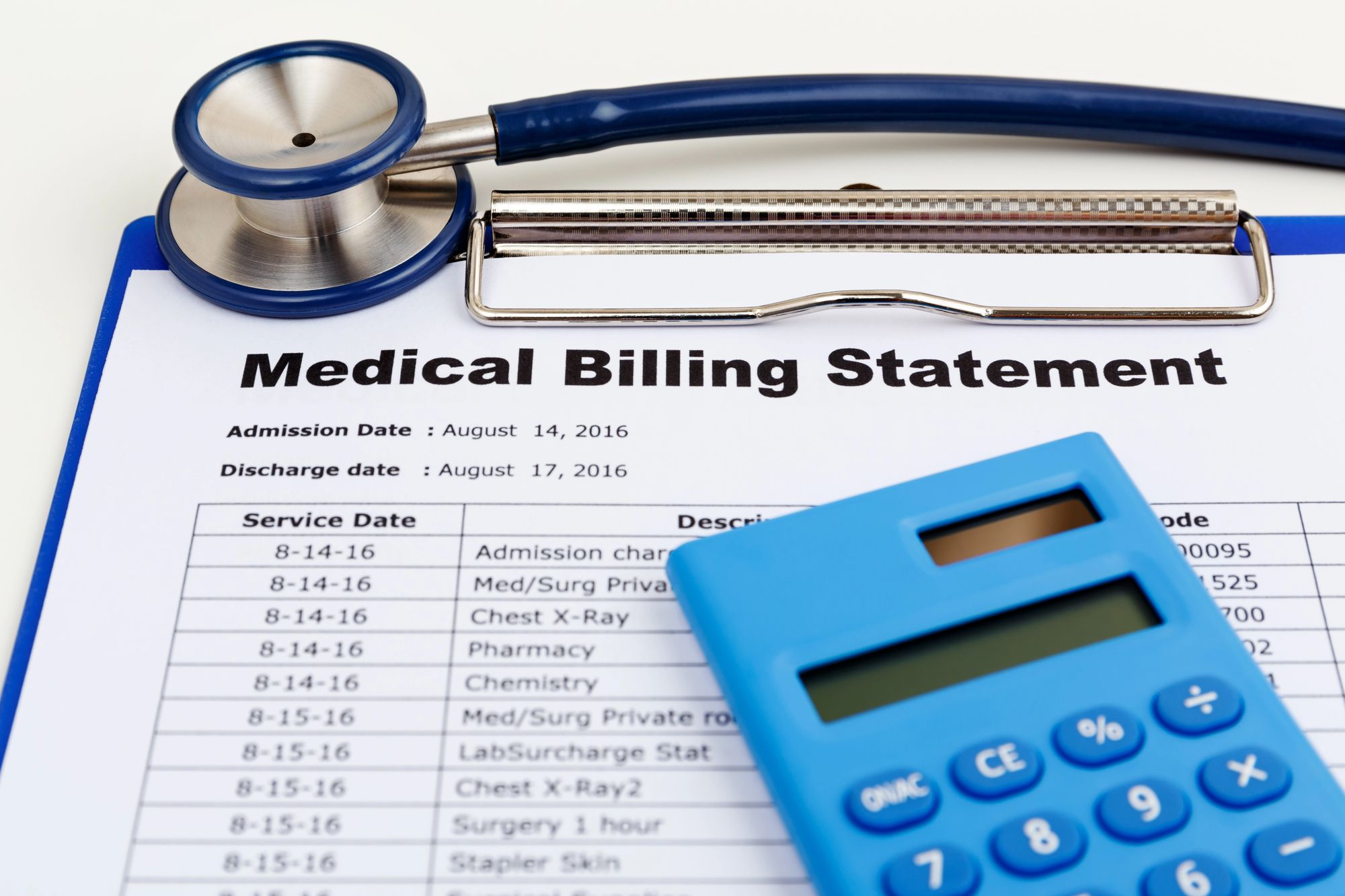
A significant share of American households cut back on food, utilities, and daily essentials last year to cover healthcare expenses.
The squeeze is not limited to the uninsured — even families with coverage are absorbing higher premiums and steeper out-of-pocket costs, especially as pandemic-era subsidies have expired and plan costs have risen into 2026.
When medical bills force people to choose between filling a prescription and filling the fridge, spending power evaporates in categories that drive the broader consumer economy.
Every dollar redirected to healthcare is a dollar that does not reach retail, restaurants, or housing.
Life Decisions Are Being Delayed
The cost pressure is not just trimming monthly budgets — it is reshaping major life milestones.
Americans are postponing home purchases, delaying vacations, putting off job changes, and pushing back retirement timelines because healthcare expenses consume too much of the financial picture.
A Sicker Population Paying More Is a Macro Problem
Rising rates of chronic disease and mental health conditions mean demand for care is climbing at the same time costs are accelerating.
The U.S. is spending more on healthcare while health outcomes continue to lag behind peer nations.
An economy built on consumer spending cannot thrive when a growing share of household income disappears into a system that gets more expensive without getting more effective.
Until that cycle breaks, the drag on growth keeps building quietly beneath the surface.
Labor Market
America's Biggest Companies Are Shrinking Their Way to Profitability

Across technology, finance, retail, manufacturing, and logistics, U.S. companies are trimming workforces at a pace that stands out even by recent standards.
Tens of thousands of roles have been eliminated in the first few months of 2026 alone, and the pattern is remarkably consistent — firms are not cutting because business is collapsing, they are cutting because AI and automation are making it possible to operate with fewer people.
AI Turns From Buzzword to Budget Line
Companies are no longer experimenting with artificial intelligence on the margins.
They are restructuring entire divisions around it, funding AI buildouts by reducing headcount, and explicitly stating that technology now handles work that previously required human teams.
That shift changes the math for hiring, wages, and workforce development across the economy.
Jobs are not disappearing into a vacuum — they are being replaced by systems that cost less to maintain and scale faster than any recruiting pipeline ever could.
The Labor Market Feels Solid Until It Does Not
Unemployment numbers still look healthy on the surface, but underneath, the composition of work is changing rapidly.
White-collar roles in tech, finance, and media are absorbing the deepest cuts, and the replacement jobs being created demand different skills in different locations.
For workers caught in the transition, the economy feels very different from what the headline data suggests.
The U.S. is not shedding jobs the way it does in a recession — it is reorganizing them around a technology wave that rewards capital over labor.
Smart Strategies (Sponsored)

Capital gains taxes may quietly reduce more of your investment returns than you realize.
But the tax code includes several strategies that may help reduce that bill.
Three often-overlooked areas include investment-related expenses, cost basis adjustments, and real estate selling costs.
When structured correctly, these deductions may help minimize taxable gains.
Because the rules can be complex, many investors work with fiduciary financial advisors to plan tax-efficient strategies.
Use Smart Asset’s free tool to find vetted financial advisors serving your area.
Critical Mineral
The U.S. Is Buying Its Way Into a Mineral Supply Chain It Cannot Afford to Lose

The United States has poured over a billion dollars into critical minerals projects across Latin America since early 2025, targeting lithium, copper, and rare earths through loans, equity stakes, and structured supply agreements.
The spending is not aid — it is strategic procurement designed to lock output into American-aligned supply chains.
The shift reflects a fundamental change in how Washington views mining.
These are no longer just commodities — they are national security assets that underpin defense, energy infrastructure, and the AI-driven technology economy.
Latin America Holds the Cards
The region controls roughly 60% of the world's lithium reserves, and countries like Argentina and Brazil are rapidly scaling production capacity.
Argentina alone expects lithium output to more than triple by 2035, and new investment frameworks are pulling in billions from foreign backers competing for access.
For the U.S., securing supplies from friendly neighbors is far more attractive than depending on processing chains that run almost entirely through a single competing nation.
The geography works, the geology works — now the capital is following.
Speed Is the Real Competition
Latin American governments are welcoming investment from all sides, which means American capital is not arriving unopposed — it is arriving in a race.
The billion dollars already deployed is a down payment.
Winning reliable access to the minerals that power everything from fighter jets to phone batteries will cost far more, and the clock is not slowing down.
Poll: Which place likely generates the most money per visitor? |
Metrics to Watch
CPI vs. PCE Gap (All Week)
This is the main event now. If CPI stays cool but PCE stays sticky, markets will keep arguing over which one matters more for rates.Energy Pass-Through (Gas, Freight, Flights, Daily)
Oil does not stay in its lane. If energy costs keep leaking into transport and goods, inflation can heat up fast even if the broader trend had been calming.Jobless Claims and Labor-Market Follow-Through (Thu)
Last week’s ugly payroll number was bad enough. Now the market wants to know if that was a one-off stumble or the start of a real wobble.Housing Starts and Permits (Thu)
Housing is part confidence, part financing, part survival test. Soft numbers would suggest builders are still wary even with demand hanging around.Small Business Mood and Price Plans (Watch Surveys and Commentary)
Small firms usually feel cost pressure early. If they start sounding more nervous about pricing and margins, that tends to show up in the broader economy later.
Market Movers
🛢️ Oil is Trying to Bully the Inflation Data
Even if the underlying trend was cooling, pricier gasoline and shipping can muddy the picture fast. That is why markets are suddenly less relaxed about declaring victory.
🏦 The Fed Gets Fewer Easy Answers
If inflation looks soft in one report and sticky in another, rate cuts get harder to time. Add weak jobs and you get a policy room full of headaches.
🌏 Asia Feels the Conflict Longer and Harder
Asia buys most of the energy flowing through that region, so the longer the conflict lasts, the bigger the hit to margins, currencies, and confidence.
That matters for global demand and for U.S. companies selling into the region.
🇨🇳 China is Settling Into a Slower Gear
A lower growth target means Beijing is basically telling the world to get used to a less explosive version of China.
That is not a collapse story, but it does matter for commodities, exporters, and the whole global growth mood.
Market Impacts
Equities: Stocks are still taking their cues from oil first and everything else second.
Futures are a bit soft after a wild reversal session, which tells you traders still want exposure, they just do not want to be reckless about it.
If crude keeps cooling, the broader market can breathe again. If it jumps back, cyclicals and travel names could get clipped fast.
Keep your core in profitable large caps, steady health care, and selective industrials.
Treat sharp rallies in the most crowded risk names with a little suspicion until the energy story settles down.
Bonds: Treasuries caught a bid once oil backed off its worst levels, and that makes sense. The bond market is basically trying to decide which problem is bigger: softer growth or a fresh inflation headache.
Right now it looks like both are invited to the party.
The two to five year area still makes the most sense for investors who want income without too much drama.
Longer bonds can still help if growth rolls over, but they may stay jumpy as long as oil is throwing elbows.
Currencies: The dollar firmed as traders ran toward safety and priced in fewer quick rate cuts. The euro and yen looked more vulnerable because higher energy costs hit big importers harder.
If the war premium fades, the dollar could give some of that strength back. If energy spikes again, the greenback probably stays bossy.
Keep time horizons short here. This is one of those weeks where headlines can bully fundamentals.
Commodities: Oil is still the main character, even after pulling back from the panic highs. The market is now trying to figure out whether this was a scary squeeze or the start of a longer supply mess.
That keeps refiners, energy infrastructure, and producers in play, while fuel-sensitive areas stay exposed.
Gold lost a little shine because the dollar got stronger and rate-cut hopes cooled, but it still has a job to do as a small hedge when the world gets weird.
Just do not expect a smooth ride.
High Potential (Sponsored)
A new research report highlights 5 stocks with the strongest potential to double in the year ahead.
Each was selected from thousands of companies and shows a rare mix of:
Strong fundamentals
Bullish technical setups
Past versions of this report delivered gains of +175%, +498%, and even +673%¹ — and the latest edition is free for a short time.
Available only until MIDNIGHT TONIGHT.
Download the free report
*This free resource is being sent by Zacks. We identify investment resources you may choose to use in making your own decisions. Use of this resource is subject to the Zacks Terms of Service.
*Past performance is no guarantee of future results. Investing involves risk. This material does not constitute investment, legal, accounting, or tax advice. Zacks Investment Research is not a licensed dealer, broker, or investment adviser.
Key Indicators to Watch
Consumer Price Index (Wed, 8:30 a.m. ET) - This is the first big check on whether inflation still looks tame before the latest oil chaos fully shows up.
A calm reading helps the market look past the war spike. A hotter one makes the Fed story much messier.Initial Jobless Claims (Thu, 8:30 a.m. ET) - A simple pulse check after the ugly February jobs report.
If claims stay contained, markets may treat last week’s payroll miss as a stumble, not a collapse. If claims jump, recession chatter gets louder in a hurry.Housing Starts and Building Permits (Thu, 8:30 a.m. ET) - Housing is where rates, confidence, and affordability all meet in one awkward group chat.
Better numbers would suggest the consumer still has some life. Weak numbers would add to the slowdown story.PCE Inflation, including Core PCE (Fri, 8:30 a.m. ET) - This is the Fed’s favorite inflation gauge, so it carries extra weight.
If it behaves, rate-cut hopes can stay alive later this year. If it stays sticky, the Fed will have even less room to respond to weaker jobs.Personal Spending (Fri, 8:30 a.m. ET) - This is the cash register reality check. Soft spending after a weak jobs report would raise concern that households are finally pulling back.
A decent print would help calm the nerves around growth.
Everything Else
⛽ Fears of a stagflation sequel are creeping back as oil’s spike muddies the growth and inflation picture.
🏦 The latest jobs wobble has the Fed in a policy pickle, with weaker hiring and sticky prices pulling in opposite directions.
🇯🇵 Japan gave its fourth-quarter growth story a nice little upgrade, thanks to stronger business spending.
🛍️ U.K. shoppers looked a bit more cautious in February spending, as inflation worries kept sentiment on a short leash.
👷 The U.S. labor market coughed up an ugly jobs surprise, with payrolls falling and unemployment ticking higher.
That’s it for today’s edition—thanks for reading! Reply to this email with any feedback or let me know which macro trends or markets you’d like me to cover next.
Best Regards,
—Noah Zelvis
Macro Notes