- Macro Notes
- Posts
- Inflation’s Still Hot, and AI’s Still Hungry
Inflation’s Still Hot, and AI’s Still Hungry
Hot inflation, AI export firepower, softer factory demand, and a market still trading on the next headline.
Inflation just reminded everyone it is not done being annoying, and that leaves the Fed stuck in the classic bad-romance setup: too hot to cut, too soft to hike with confidence.
At the same time, AI demand is still hauling Taiwan’s exports skyward, China just snapped out of factory deflation thanks to energy costs, and the U.S. still cannot seem to get durable goods moving cleanly.
It is one of those weeks where growth, prices, and policy are all talking at once.

Limited Before (Sponsored)

For decades, one type of investment was reserved for the ultra-wealthy.
Then Executive Order 14330 changed everything — opening it up to ordinary investors.
Now you can access this booming opportunity for less than $20.
See what changed
The Big Picture
Oil
Energy Just Repriced the U.S. Economy Overnight
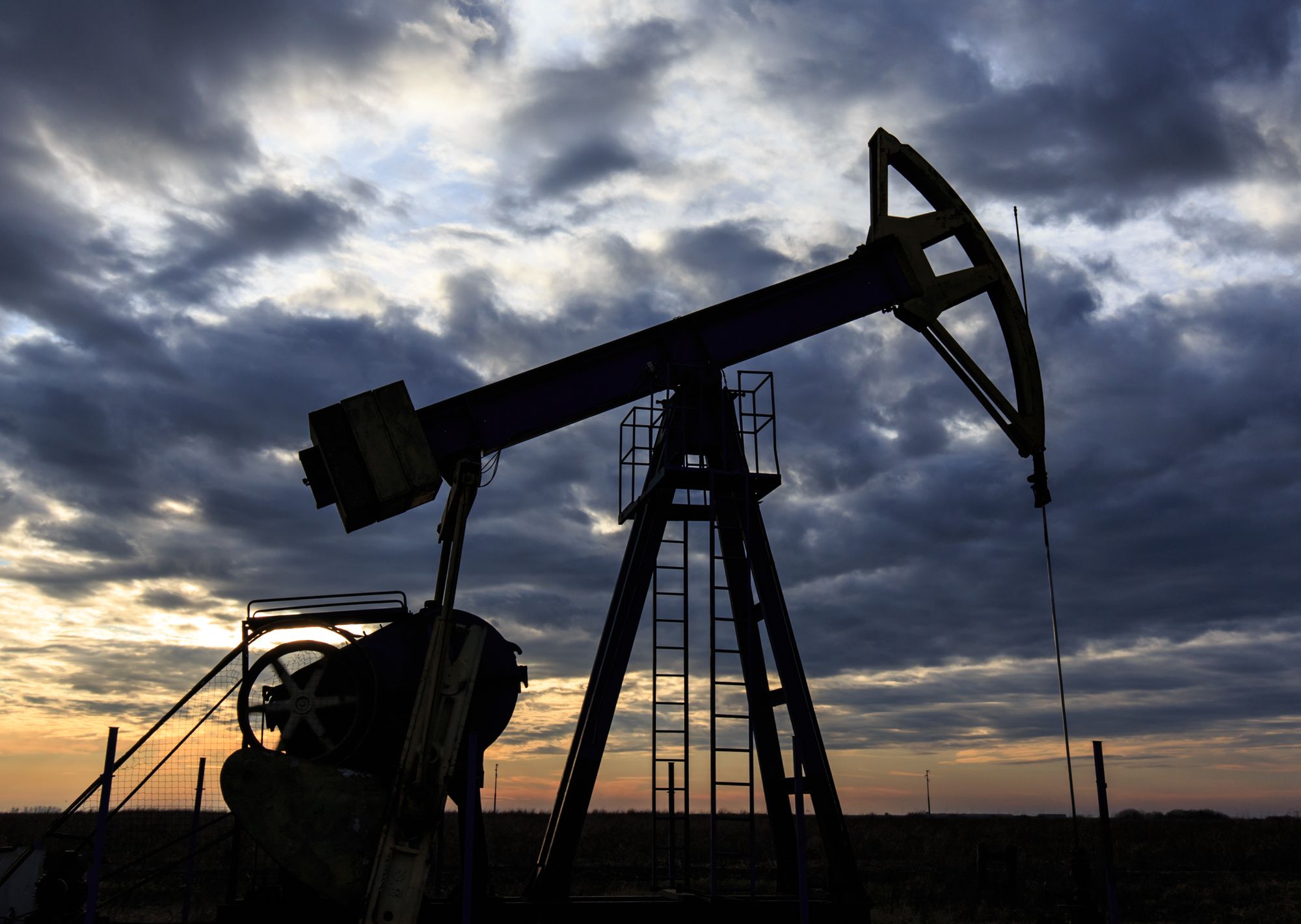
Oil is back above $100 a barrel, and that level tends to flip a switch across the U.S. economy. Prices jumped more than 7% in a single move, pushing energy costs into a range that quickly feeds into transportation, production, and daily life.
This is not just about fuel markets.
Oil at these levels becomes a baseline input cost, meaning businesses across industries start recalculating expenses almost immediately, from shipping to manufacturing to retail pricing.
Costs Move Faster Than Paychecks
When energy rises this quickly, the impact does not wait. Gas stations adjust within days, airlines and logistics firms react within weeks, and the ripple spreads into goods and services soon after.
The challenge is timing. Costs move up fast, but incomes do not.
That gap is where pressure builds, as both households and businesses absorb higher expenses before anything else adjusts.
The Economy Starts Bending Around Energy
This is where the bigger shift happens.
Oil at $100 plus acts like a broad pressure point on growth. Spending patterns begin to change, margins tighten, and companies become more cautious about expansion.
It does not stop activity overnight, but it slows the pace. More money goes toward essentials, less toward discretionary spending, and that shift gradually reshapes how the economy grows from here.
Energy does not just move markets; it sets the tone. And right now, that tone is getting more expensive.
Bonds
Treasuries Are Starting to Price a Different Kind of Inflation
Treasury yields are moving higher again, and that matters more than it looks.
The 10-year is creeping back toward levels that tighten financial conditions, while shorter-term yields are also ticking up amid uncertain rate expectations.
The bond market is doing what it does best: adjusting before the rest of the economy fully reacts. It is not a spike; it is a shift in tone, and those tend to stick longer than expected.
Inflation Is Not Done Yet, According to Bonds
Even with recent data showing some cooling, yields are telling a slightly different story. The market is starting to price in the risk that inflation does not fade as smoothly as hoped.
Energy costs are part of that, but the bigger issue is persistence. Once inflation proves sticky, bond demand requires higher returns to compensate, pushing yields up across the curve.
Borrowing Just Got a Bit Less Friendly
Here is where it lands. Higher Treasury yields mean higher borrowing costs across the U.S. economy, from mortgages to business loans to government debt itself.
It does not hit all at once, but it builds. Financing gets more expensive, investment decisions get tighter, and growth has to work harder to keep up.
The bond market is not loud, but it is rarely wrong for long. Right now, it is quietly signaling that money is not getting cheaper anytime soon.
Big Move (Sponsored)
Rising geopolitical tensions have pushed oil sharply higher — and renewed focus on energy equities.
For investors, the key question is which companies could thrive if prices remain elevated.
Zacks’ latest report reviews three oil stocks worth attention in this environment.
Critical Minerals
The U.S. Is Trying to Build What It Used to Import

The U.S. is putting serious money behind critical minerals, the raw materials that power everything from electronics to energy systems.
Alongside partners, billions are being committed to building supply chains that can support future industries at home.
This is not about mining alone. It is about securing the full pipeline, from extraction to processing, so key industries are not dependent on external supply for essential inputs.
Building It Is the Hard Part
Here is the catch. Having resources is one thing; turning them into usable materials at scale is another. The U.S. still lacks parts of that industrial backbone, especially in refining and processing.
These projects take years, sometimes a decade or more, to come online.
That means the push happening now is less about immediate supply and more about reshaping the system over time. It is a long build, not a quick fix.
The Price of Independence
This effort comes with trade-offs. Building domestic capacity is often more expensive than relying on global supply chains, at least in the short term.
For the U.S. economy, that means higher upfront costs in exchange for greater control later. Industries tied to these materials may face higher input costs before efficiencies catch up, which can ripple into pricing and investment decisions.
Still, the direction is clear. The U.S. is not just trying to secure supply, it is trying to own more of the process.
That shift does not happen overnight, but it quietly reshapes where growth, investment, and industrial power will sit in the years ahead.
Trivia: What does a historically inverted yield curve signal? |
Metrics to Watch
Inflation Reality Check
March CPI running at 3.3% is the big flashing sign now. If price pressure stays sticky, markets will keep trimming rate-cut hopes and acting jumpy every time oil twitches.AI Demand Pulse
Taiwan’s export surge says the AI buildout is still very real. Keep an eye on whether that strength keeps lifting chip demand and hardware names, or whether energy and supply worries start fogging the story.China Price Turn
China’s return to producer inflation matters because it hints the deflation rut may finally be cracking. The catch is that better pricing power driven by energy is not the same thing as healthy consumer demand.U.S. Goods Demand
February durable-goods orders fell again, even if the non-transport picture looked better. That keeps the spotlight on whether business spending is merely wobbling or actually starting to lose altitude.Fed Patience Meter
With inflation hotter and growth still uneven, every Fed speaker now matters more. The market wants a rescue, but the data keeps telling the Fed to keep its hands in its pockets.
Market Movers
🧠 AI Keeps Paying the Bills
Taiwan’s exports are still acting like the AI party has a fresh keg. That is good news for chip names, networking gear, and anything helping build the digital plumbing.
Just remember, if energy costs stay high for too long, even the hottest trend can get a little sweaty.
🔥 Inflation: The Sequel Nobody Asked For
A 3.3% CPI print puts the Fed in a tight spot and keeps rate-cut dreams on a short leash. That tends to favor pricing power, steady cash flow, and businesses that do not need cheap money to look attractive.
🏭 China’s Price Rebound Comes with a Catch
Factory prices finally turned positive, which sounds nice until you notice energy did most of the heavy lifting.
If domestic demand stays sleepy, this is less of a comeback montage and more of a temporary costume change.
📦 Old Economy Still Looks a Little Lumpy
Durable-goods orders slipping again is a reminder that outside the AI boom, parts of the economy still look a bit stiff in the knees.
Industrials and cyclical names can still work, but this is not the kind of backdrop where you go full cowboy.
Market Impacts
Equities: Stocks just had a very strong week, but the mood still looks like one eye on the rally and one eye on the Strait of Hormuz.
Tech helped carry the tape again, especially chip names, while the broader market kept reacting to every whisper about whether the Iran ceasefire is real or just wearing a fake mustache.
Keep leaning toward quality growth, especially names tied to AI demand and balance-sheet strength, but do not assume the all-clear siren has sounded. If oil stays sticky, the market can still get cranky fast.
Bonds: Treasury yields ticked a bit higher even after cooler core inflation because investors are still worried that the best inflation news may already be behind us.
The bond market seems to be saying thanks for the softer core number, but we are not throwing a parade yet.
The two- to five-year area still makes sense for income without too much drama. Keep some duration on the bench in case growth slows harder than expected, but do not expect the Fed to come charging in with quick cuts.
Currencies: The dollar lost some of its panic bid as the ceasefire lowered the temperature a touch, but it is still hanging around like a guy who has not fully left the party. If talks with Iran go well, the dollar can soften more.
If talks go sideways, it can snap right back.
For now, expect headline-driven swings more than clean trend moves. A weaker dollar helps multinationals and commodities, but this is still a news market, not a chill market.
Commodities: Oil slipped back under $100, which is better than staring at triple digits over your morning coffee, but the market is still tense because shipping through the Strait remains badly restricted.
That means energy prices can still throw elbows if talks disappoint.
Gold has quietly perked up again as the dollar eased and traders looked for a hedge that does not need a peace treaty to work.
Keep energy exposure more in steady operators than wildcat stuff, and gold as a small insurance sleeve still makes sense.
Hidden Giant (Sponsored)

Right now, one company is quietly powering critical operations across the U.S. military.
That company is SpaceX.
But the real story may be what happens next.
There’s growing speculation that Elon Musk could bring SpaceX public in the future.
Events like this don’t happen often—and when they do, early access matters.
Some believe this could be one of the biggest investment opportunities of the decade.
Learn how to position ahead of it
Key Indicators to Watch
Existing Home Sales (Mon, 10:00 a.m. ET) - Housing is still trying to function with rates acting like a wet blanket. A better number would hint buyers are adjusting. A weak one says affordability is still running the show.
Producer Price Index (Tue, 8:30 a.m. ET) - This is the upstream inflation check. If producer prices come in hot, companies may try passing those costs along later. That would keep the Fed in its patient but annoyed mode.
Import Price Index (Wed, 8:30 a.m. ET) - A good read on whether global cost pressure is still sneaking into the U.S. through the side door. With energy and shipping still messy, this one matters more than usual.
Beige Book (Wed, 2:00 p.m. ET) - This is where the Fed gets the gossip from the real economy. Watch for notes on pricing pressure, hiring appetite, and whether businesses sound resilient or just politely exhausted.
Initial Jobless Claims (Thu, 8:30 a.m. ET) - Still the cleanest weekly pulse on layoffs. If claims stay calm, the labor market keeps looking bendy, not broken. If they jump, recession chatter will get louder in a hurry.
Everything Else
📊 A newly crowned Dividend King attracting billions in fund flows is one of seven rare companies that have raised dividends for 50 or more consecutive years and a free report names all of them now.
🌏 Asia is starting to game out whether this oil shock looks more like a temporary scare or the start of something nastier.
🏦 Markets are drifting back toward the idea of a Fed cut this year, now that the ceasefire has taken a little heat out of the panic trade.
⛽ Trump’s tax breaks may feel a lot smaller once the gas pump takes its cut, especially for lower-income households.
📉 U.S. fourth-quarter growth was revised lower, so the old economy looks a bit softer than it first did.
That’s it for today’s edition—thanks for reading! Reply to this email with any feedback or let me know which macro trends or markets you’d like me to cover next.
Best Regards,
—Noah Zelvis
Macro Notes