- Macro Notes
- Posts
- Rate Cuts Took The Exit, And A Hike Just Pulled Into The Parking Lot
Rate Cuts Took The Exit, And A Hike Just Pulled Into The Parking Lot

Noah Zelvis
March 29, 2026
For months, the market has been camped out at the same bus stop waiting for the next Fed cut.
Now there is an awkward new possibility: the next bus might be a hike. That is not the base case yet, but it is no longer some fringe fantasy either.
Sticky inflation, higher oil, and an economy that still refuses to roll over have made the Fed’s next move a lot less one-way than investors hoped.

Take Action (Sponsored)

Problems in your retirement don’t announce themselves—they build quietly over time.
Rising debt, persistent inflation, and a financial system that depends on constant intervention are warning signs investors ignore at their peril.
Over time, this combination slowly erodes purchasing power.
Gold has stayed valuable for centuries because it doesn’t rely on anyone else.
More savers are using self-directed IRAs to hold physical gold and protect their retirement.
Priority Gold’s FREE Kit walks you step by step through the process and explains how to shield your savings from market swings.
Get your free guide today

The attached story lays out the three reasons this idea has gone from unthinkable to thinkable.
First, inflation is still not cooperating. CPI was only 2.4% in February, which looks calm enough, but the Fed cares more about PCE, and that was running at 2.8% in January, with core at 3.1%. Even the Fed’s favorite underlying measure, core services excluding housing, has barely moved in a year and was still sitting around 3.5%. That is not exactly mission accomplished.
Second, oil is muddying everything. Normally the Fed can look through an energy spike if it thinks the hit to growth will offset the inflation effect. The problem now is that the damage from higher oil has looked limited so far. The U.S. is more energy self-sufficient than it used to be, and policymakers have not really cut growth forecasts much since the war started. That means the economy is not giving the Fed much cover to ignore another inflation push.
Third, policy is not that tight anymore. The fed funds target is now 3.5% to 3.75%, only a bit above the Fed’s own estimate of neutral at 3.1%. And when inflation rises while nominal rates stay put, real rates effectively fall, which makes policy easier, not tighter. That is the part the market tends to forget. Holding steady can quietly become a form of easing if prices stay hot enough.
This is why the vibe has changed so fast. Markets have cut the probability of a rate cut this year from 72% at the end of 2025 to 37%, while lifting the probability of a hike from 11% to 45%. That does not mean a hike is coming next meeting. It means the market finally understands the Fed is not married to the cut story anymore.
The practical setup is messy but tradable:
If inflation rolls back over, cuts can come later.
If oil stays hot and services inflation stays sticky, the Fed may have to lean the other way.
If the war drags on long enough to hurt growth hard, then hikes probably die and cuts come back.
That is not a clean macro call. It is a forked-road market. So the smartest way to play it is to own businesses that either benefit from higher-for-longer rates or do not need rate relief to keep compounding.
Actionable Stuff
Stop treating cuts as the default. The Fed now has a two-way problem, and the market has to price both roads.
Favor cash-flow machines over duration dreams. Businesses that need lower rates to justify the multiple are more exposed.
Lean into pricing power and financial strength. Sticky inflation rewards companies that can keep margins intact.
Be selective with housing and small-cap hope trades. They can rip on cut chatter and then give it all back on one hot data print.
Keep some energy and financial exposure. Those are two of the cleaner ways to hedge a hotter-for-longer setup.
Poll: You have to delete one entire category from your past year of spending. What hurts least? |
Market Shift (Sponsored)

Rising geopolitical tensions have pushed oil sharply higher and renewed interest in energy equities.
For investors, the key question is not just where crude goes next, but which companies could be best positioned if prices stay firm.
Zacks’ latest report reviews three oil stocks that may deserve attention in this environment.
Access the report
Top Picks
Arthur J. Gallagher (NYSE: AJG) |
Aflac (NYSE: AFL) |
Coterra Energy (NYSE: CTRA) |
AutoZone (NYSE: AZO) |
Supply Shock (Sponsored)
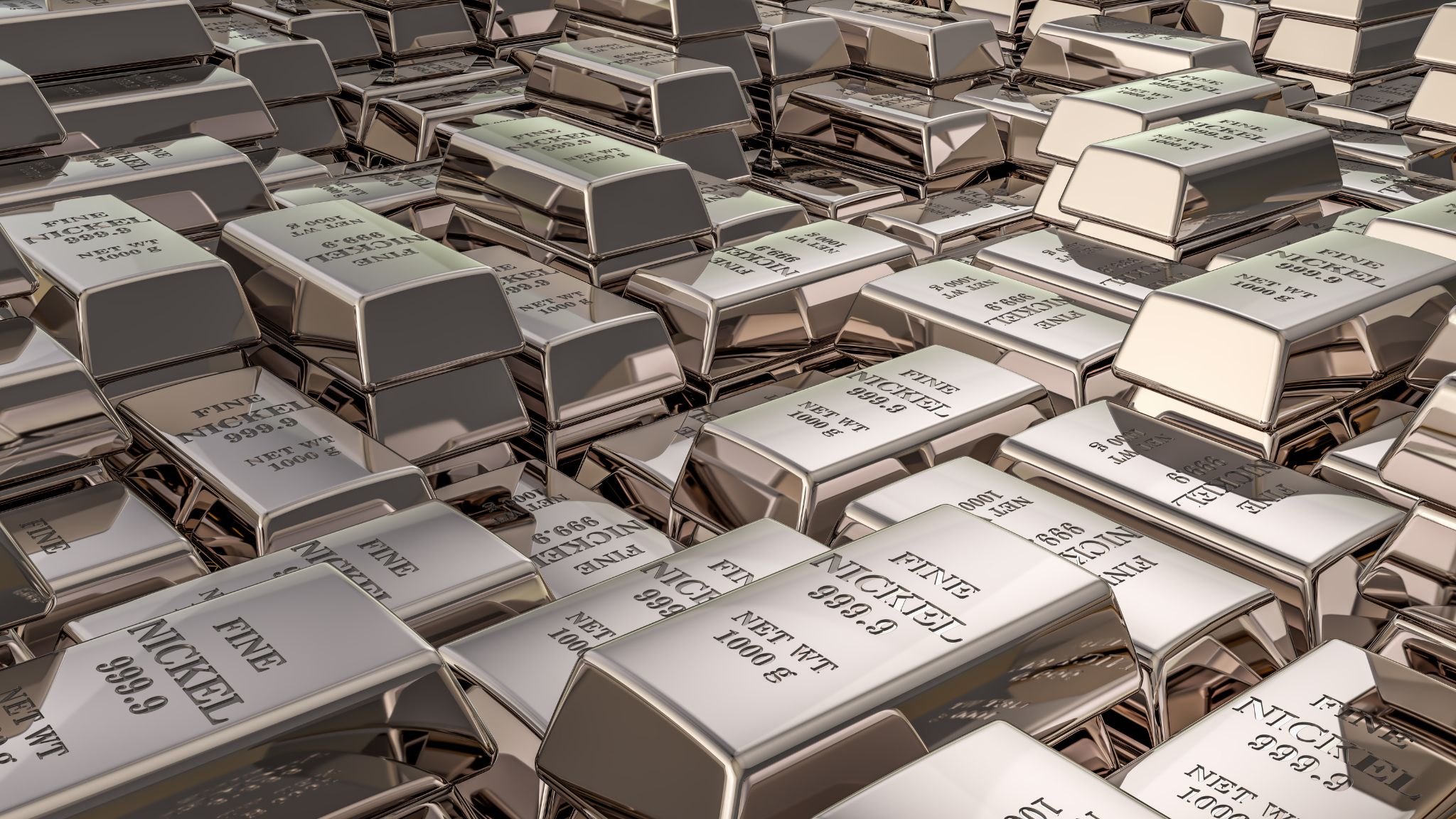
It's critical for jet engines, steel, electric batteries, and AI chips.
Yet Russia, China, and Indonesia control 80% of its production.
Only ONE company in America can change that.
Here's why an ex-CIA economist believes the White House will invest in it in the days ahead... sending shares soaring.
Bottom Line
The point of this story is not that a hike is coming tomorrow. It is that the one-way rate-cut fantasy has finally been interrupted. Inflation is still sticky, oil is making life harder, and policy is not as restrictive as it used to be.
That means this is a market for businesses that can handle a world where rates stay higher, longer, and maybe even lurch the wrong way for a while. Own the companies that do not need a rescue cut to make the math work.
That’s it for today’s edition—thanks for reading! Reply to this email with any feedback or let me know which macro trends or markets you’d like me to cover next.
Best Regards,
—Noah Zelvis
Macro Notes