- Macro Notes
- Posts
- Refunds, Repricing, and a Borderline Headache
Refunds, Repricing, and a Borderline Headache
Euro inflation reheats, USMCA nerves rise, tariff refunds start, and U.S. layoffs stay low.
This week is shaping up as a policy mess in a decent suit.
Europe just got a hotter inflation print thanks to energy, Washington is making fresh noise about reworking the North American trade pact, and U.S. importers are lining up for a giant tariff-refund process that could get messy fast.
Meanwhile, jobless claims are still calm and parts of U.S. manufacturing are quietly doing better than the headlines suggest.

AI Investing (Sponsored)

Elon Musk already created an army of millionaires when Tesla went from $17 to $400+.
Now he's building an AI technology that could be even bigger — something Nvidia's Jensen Huang calls "singular" and "never been done before."
Nobel laureate Demis Hassabis predicts it will be "10 times bigger than the Industrial Revolution."
The opportunity to get positioned early is still open.
See the full details here
The Big Picture
U.S. Economy
A $166 Billion Refund Is About to Hit the U.S. Economy

A massive refund pipeline just opened in the U.S., with companies racing to claim money tied up in past tariffs. On paper, this is a straightforward payback. In reality, it is a slow-moving release of liquidity into the system.
Thousands of businesses are lining up to file claims through a new portal, trying to recover costs that have been sitting on balance sheets for months. The system is live, but the process is anything but instant.
Cash Flow Gets a Second Chance
For many companies, this is not a bonus; it is a reset. That money was already spent, absorbed, or passed along. Getting it back changes cash flow more than it changes profits.
Some will use it to stabilize operations, others to pay down debt, and some to reinvest. The key shift is flexibility. Money that was locked is now usable again, even if it arrives in stages.
A Stimulus That Does Not Feel Like One
This is where it gets interesting from a macro view. When large amounts of cash return to businesses, it acts like a quiet stimulus, but without the headlines.
It can support hiring, investment, and inventory rebuilding at a time when conditions are already tight. At the same time, the uneven timing means the impact will be spread out rather than immediate.
It is not a sudden boost. It is a slow drip of liquidity that could keep parts of the U.S. economy moving longer than expected.
Consumer Spending
Gas Prices May Be Done Rising but Not Done Hurting
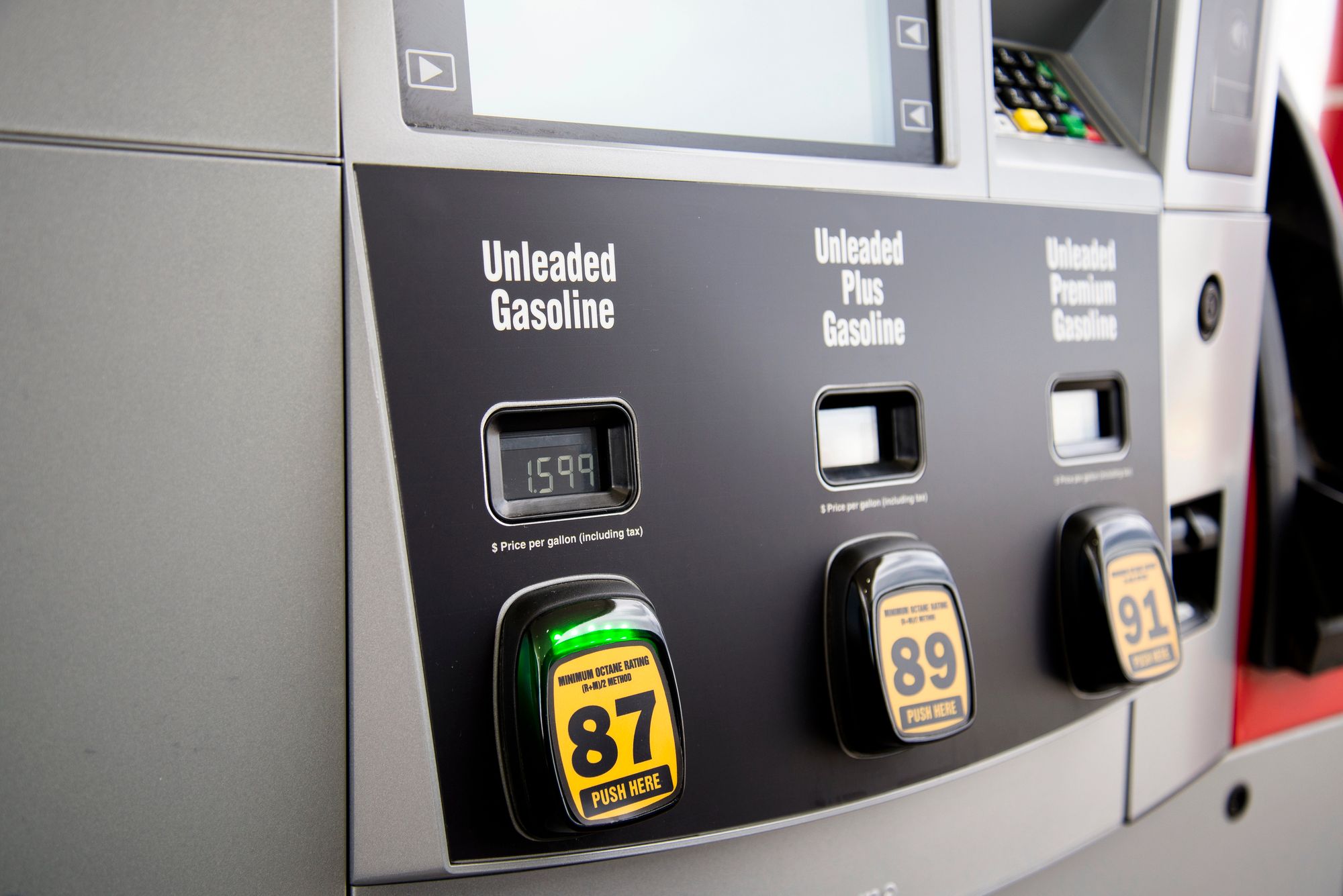
Gas prices in the U.S. may have stopped climbing, but that does not mean they are coming down anytime soon. The expectation now is a plateau, not a drop.
That distinction matters. When prices stay elevated, the pressure does not spike and fade. It lingers, slowly working its way through household budgets and business costs.
A Higher Baseline Changes Behavior
When fuel costs settle at a higher level, people adjust. Driving patterns shift, travel decisions change, and businesses rethink logistics and pricing.
This is not about panic; it is about adaptation. The longer prices stay elevated, the more those adjustments become permanent rather than temporary.
The Economy Learns to Absorb It
For the U.S. economy, sustained energy costs act like a steady drag rather than a sudden shock. Consumers keep spending, but more of that spending goes toward essentials. Businesses keep operating, but with tighter margins and more caution.
It does not break momentum overnight, but it reshapes it. Growth becomes more constrained, and every dollar has to work a little harder. Energy prices may have peaked, but their impact is still unfolding.
Income Gap (Sponsored)

The President earns $400,000 a year from the government.
But his tax returns tell a different story — up to $250,000 per month from a single source most Americans have never heard of.
It's not real estate. It's not the stock market.
Until Executive Order 14330, this type of investment was reserved for the ultra-wealthy.
Now it's open to everyday investors — and you can get in for less than $20.
Discover how it works
Manufacturing
The U.S. Just Made a Strategic Move Most People Will Miss

The U.S. is doubling down on access to critical minerals, and this latest agreement is part of a much bigger shift. These are not just raw materials; they are the backbone of industries like aerospace, advanced manufacturing, and next-generation technology.
By strengthening ties with a major supplier, the U.S. is working to secure a steadier flow of the inputs it cannot easily replace. This is less about short-term supply and more about long-term control over what fuels future growth.
Supply Chains Are Being Rewritten Quietly
What stands out is how this is happening, not loudly, but through targeted agreements that slowly reshape where materials come from and who controls them.
Instead of relying on global markets alone, the U.S. is building tighter, more predictable supply lines. That reduces uncertainty, but it also means supply chains become more deliberate and less flexible.
Over time, this changes how industries plan, invest, and scale, especially those tied to high-tech manufacturing.
Why This Shows Up Back Home
This kind of move does not stay overseas. It feeds directly into the U.S. economy through industrial investment, production stability, and pricing power.
Securing access to key materials can support domestic manufacturing growth, but it can also come with higher costs upfront as systems are rebuilt and partnerships deepen.
The bigger picture is simple. The U.S. is not just buying materials anymore; it is trying to secure the pipeline. And once that pipeline is in place, it shapes where innovation, production, and economic strength show up next.
Trivia: How much did the U.S. government ultimately commit to bail out AIG during the 2008 financial crisis — the largest single-company bailout in history? |
Metrics to Watch
Eurozone Inflation Spillover
March eurozone inflation was revised up to 2.6%, with energy inflation at 5.1%.
Watch whether that starts leaking into broader pricing talk from global companies, especially in transport, chemicals, and consumer names with heavy European exposure.USMCA Review Chatter
The treaty review was already on the calendar. Now the tone is getting rougher.
Keep an eye on cross-border manufacturers, autos, rails, and industrial suppliers that need North America to feel boring and predictable.Tariff-Refund Rollout on Monday
Importers can start filing for refunds tied to invalidated tariffs, and the eligible pool is enormous.
Watch for processing issues, customs bottlenecks, and whether retailers start talking about margin relief before shoppers see any benefit.Jobless Claims Stability
Initial claims fell to 207,000, which says layoffs are still limited even in a slower labor market. If that number stays calm, the economy keeps buying itself time.U.S. Manufacturing Breadth
There is more life here than the factory-job headlines suggest. Production is up 2.3% since January 2025 and shipments are up 4.2%, but the gains are concentrated.
Watch whether that strength broadens beyond AI gear, semis, and aerospace.
Market Movers
💶Europe: Hotter Inflation, Thinner Growth Cushion
This is not a great combo. Prices are moving up again while growth forecasts are drifting down. That can keep pressure on rate-sensitive sectors and make European policy look more reactive than comfortable.
🚛 North America Trade: Calm Surface, Nervous Boardroom
Even without a signed change, tougher language around USMCA is enough to freeze some hiring and capex plans. Businesses hate surprises, and this file is starting to smell like one.
🏭 U.S. Industry: Better Than It Looks
Factory jobs are down, but output is not. That matters. The winners are tied to actual demand, especially data-center equipment, semis, and aerospace, not just tariff protection with a flag on it.
🛃 Tariff Refunds: Cash Back, Confusion First
Refunds sound clean in theory, but the real story is execution. If the system jams up, importers stay in limbo and markets get another reminder that policy fixes rarely arrive gift-wrapped.
Market Impacts
Equities: Stocks just ripped to fresh highs, and the market is clearly celebrating the idea that the worst-case energy shock got pushed back.
The S&P 500 closed above 7,100 for the first time, the Nasdaq has now won 13 straight sessions, and even small caps joined the party. That tells you this rally is broadening a bit, not just leaning on the same seven names again.
How to play it: Enjoy the momentum, but do not assume every stock suddenly became cheap and wonderful.
Keep your core in strong earners, then look for catch-up names in travel, industrials, and other groups that got unfairly punished when oil panic was running the show.
Bonds: Treasury yields slid as the Strait reopening crushed some of the inflation fear tied to oil.
The 10-year dropped to about 4.24% and the 2-year moved down near 3.71%, which is the bond market saying the world looks a little less on fire than it did a few days ago.
How to play it: This is still a decent setup for the middle of the curve. You get income, less drama, and some protection if growth cools later.
Just do not expect an instant victory parade from the Fed because one energy scare eased.
Currencies: The dollar keeps losing altitude as traders unwind the safe-haven bid and start pricing a calmer energy backdrop.
The euro had a strong week, sterling firmed, and the yen also caught some support as the greenback slid for a second straight week.
How to play it: A softer dollar is a tailwind for global earners and risk appetite, but this is still a headline-driven tape. Treat currency trends as helpful background, not a reason to start making heroic bets.
Commodities: Oil got absolutely punched lower once Iran said Hormuz was open during the ceasefire, with WTI falling below $84 and Brent dropping toward $90.
Gold still climbed because the weaker dollar and renewed rate-cut hopes gave it a second engine.
How to play it: In energy, avoid chasing the drama names after a big downside reset. The steadier operators still make more sense than the wild stuff.
In gold, the case is still intact as a small hedge, but after another strong move, keep the position size sane.
Gold Protection Play (Sponsored)

The ripple effects from Iran are spreading: oil route disruptions, climbing gas prices, and growing pressure on the broader economy.
Analysts warn this kind of instability can erode portfolios tied to traditional assets — especially if it continues to escalate.
It's why a growing number of investors are shifting part of their retirement into physical gold and silver — assets that don't depend on markets or banks to hold their value.
Red State Gold Group's FREE Gold IRA Guide shows how eligible retirement funds can be rolled into precious metals.
Or call (888) 711-2433 for more information.
Key Indicators to Watch
U.S. Retail Sales (Tue, Apr. 21, 8:30 a.m. ET) - This is the big one. If retail sales come in strong, the market can keep leaning into the soft-landing story and consumer-facing names should like it.
If it disappoints, some of this fresh optimism gets tested fast.Retail Sales Minus Autos (Tue, Apr. 21, 8:30 a.m. ET) - This gives a cleaner read on everyday spending without the big-ticket car noise.
A solid number would say the consumer still has some fight left. A weak one would put more pressure on discretionary stocks.Pending Home Sales (Tue, Apr. 21, 10:00 a.m. ET) - Housing has already been acting tired, so this is a useful check on whether buyers are still frozen or starting to come back.
Another soft print would reinforce the idea that affordability is still doing damage.Initial Jobless Claims (Thu, Apr. 23, 8:30 a.m. ET) - Claims have been calm, and that has helped the whole market stay relaxed about the labor picture.
If they stay around this zone, stocks can keep telling themselves the economy is slowing without cracking.S&P Flash U.S. Services PMI (Thu, Apr. 23, 9:45 a.m. ET) - Services have been doing a lot of the heavy lifting, so this one matters.
If it moves back above the line and firms up, that helps the growth story. If it stays soft, markets may start trimming some of their recent enthusiasm.
Everything Else
📈 An AI scoring engine rates every stock across six dimensions and sends the 10 highest rated names to your inbox free daily.
📊 The UK economy grew in March, but the Iran war is already starting to cloud the outlook.
🥩 Beef prices are still rising, which means grilling season is shaping up to be a little more expensive than usual.
💹 China is expected to keep benchmark lending rates steady, as stronger GDP and firmer inflation reduce the case for more easing.
🏭 U.S. manufacturing output dipped in March, adding to signs that parts of the economy are losing a bit of momentum.
That’s it for today’s edition—thanks for reading! Reply to this email with any feedback or let me know which macro trends or markets you’d like me to cover next.
Best Regards,
—Noah Zelvis
Macro Notes